Inside the Masterclass: The Anatomy of Time and Tide
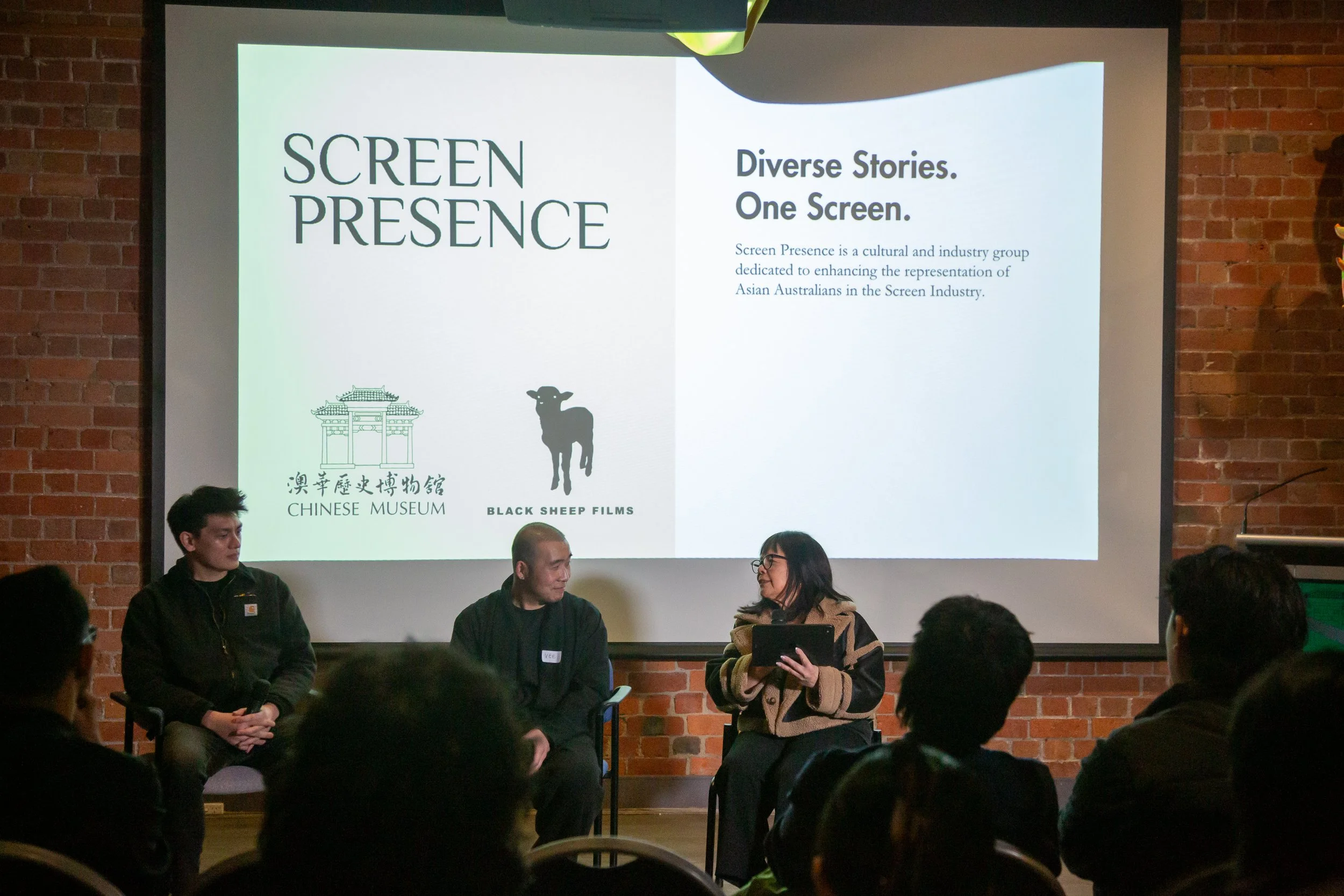
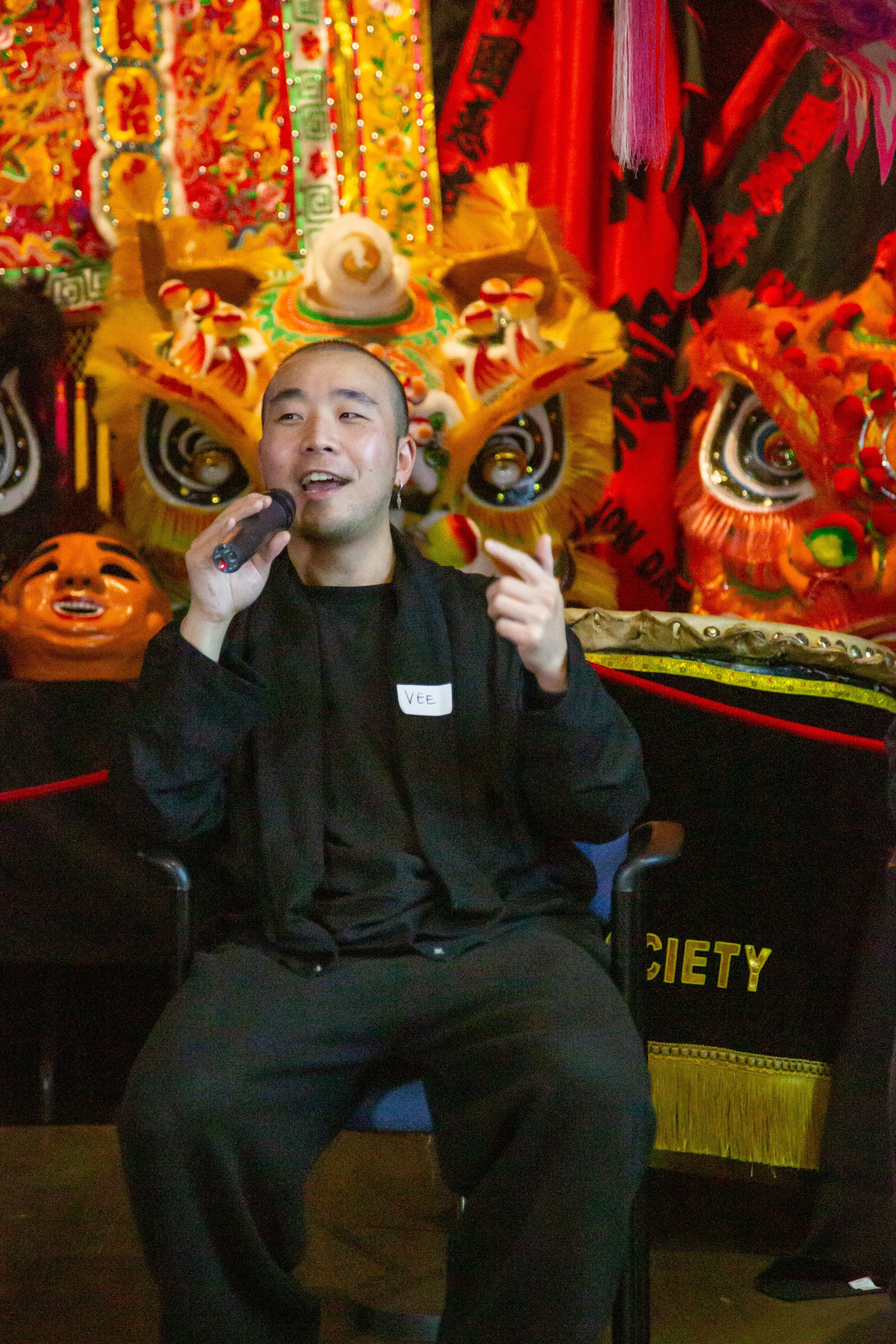
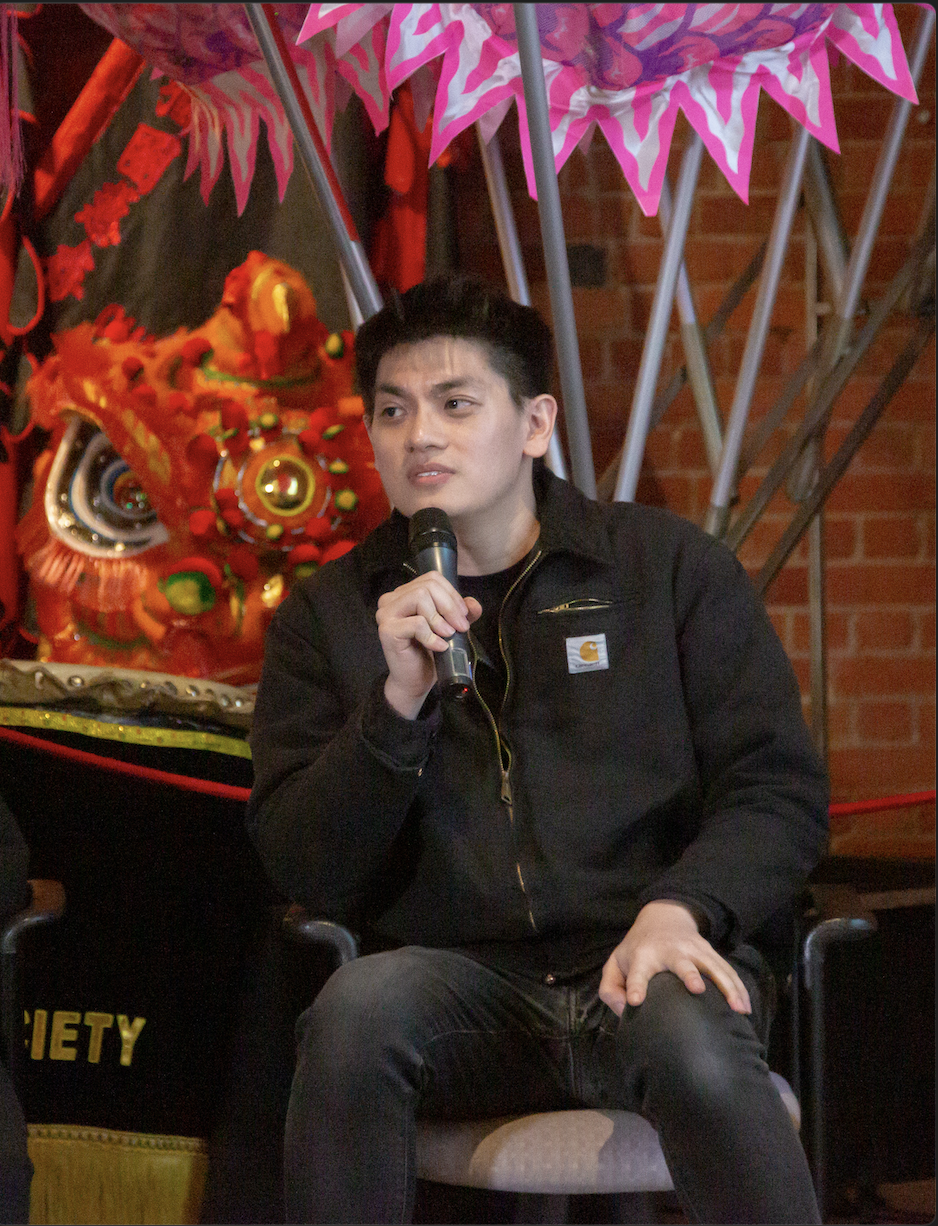
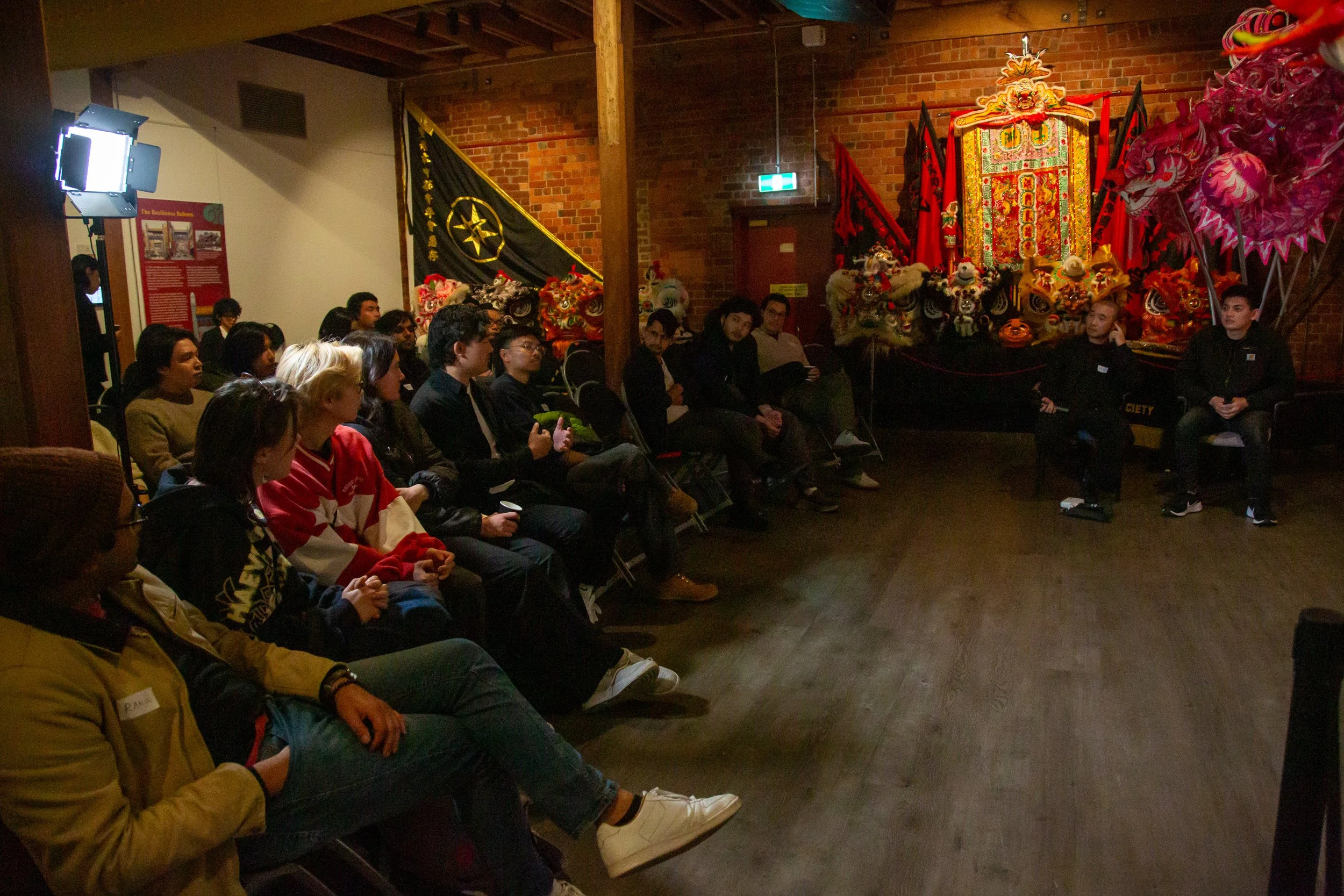
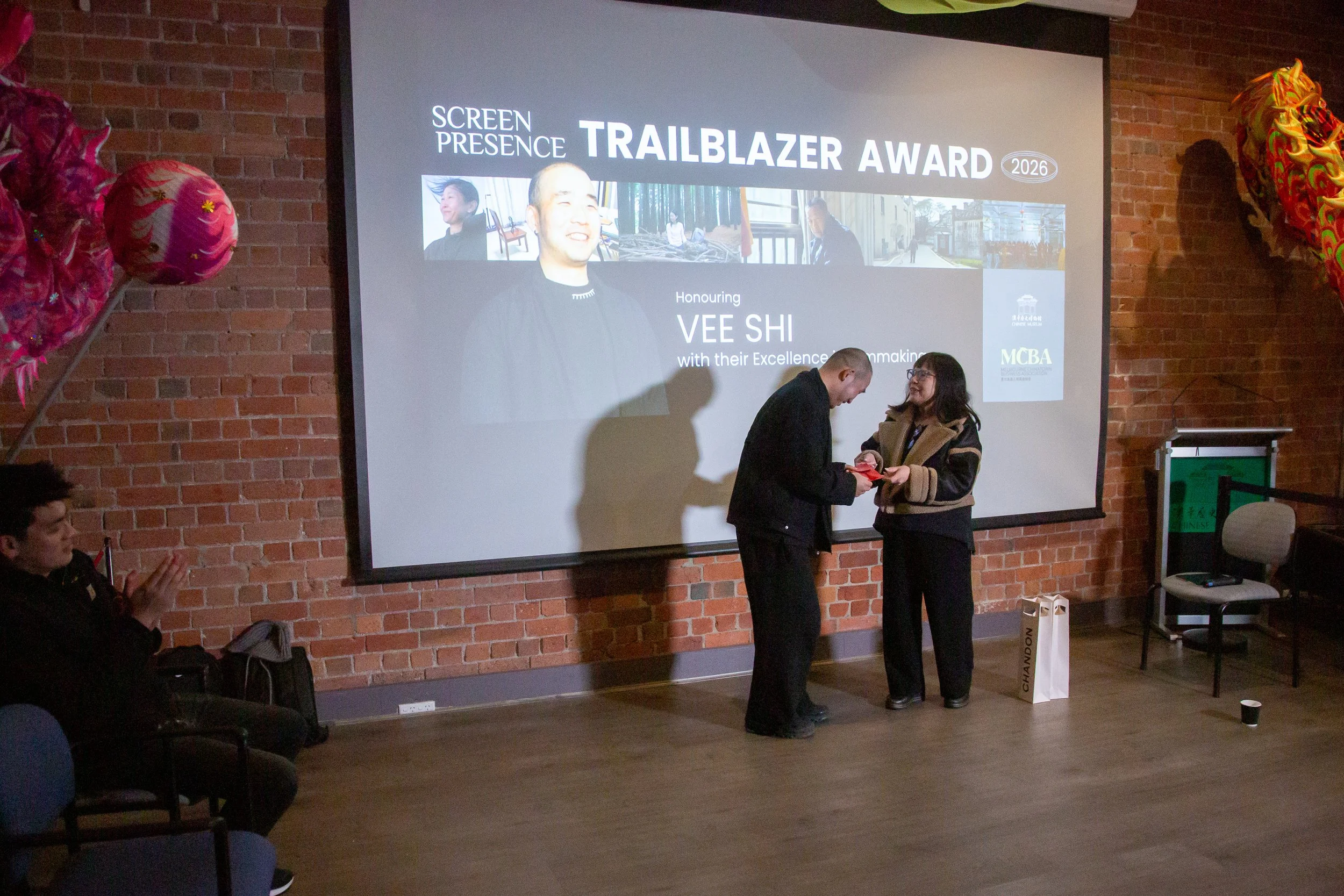
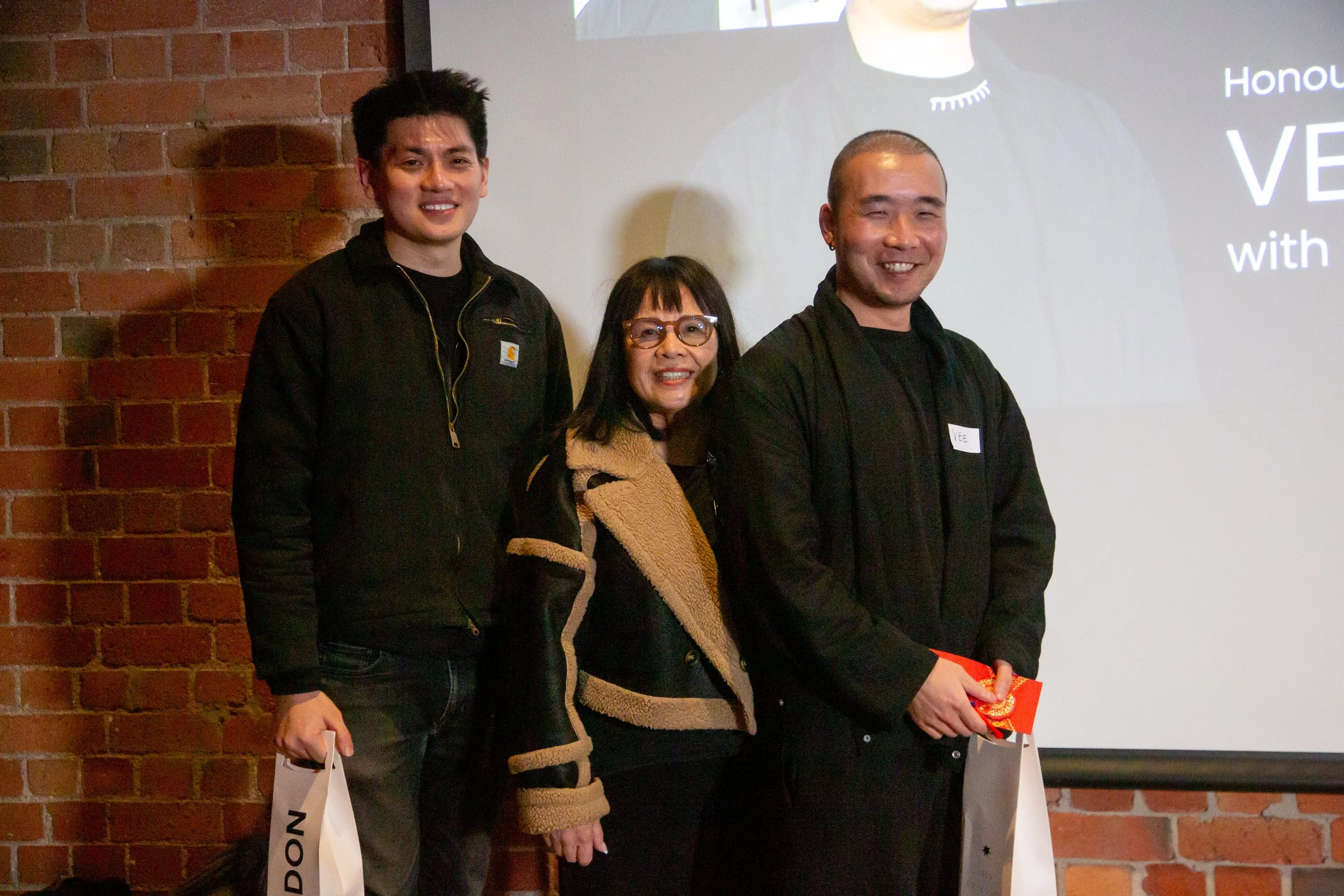
For our latest Screen Presence masterclass, we shifted gears from early-stage development to the trenches of international production and exhibition. Following an award-winning festival run for their feature documentary Time and Tide, Director Vee Shi and Producer/Cinematographer Nicholson Ren joined us at the Chinese Museum to break down how they pulled it off.
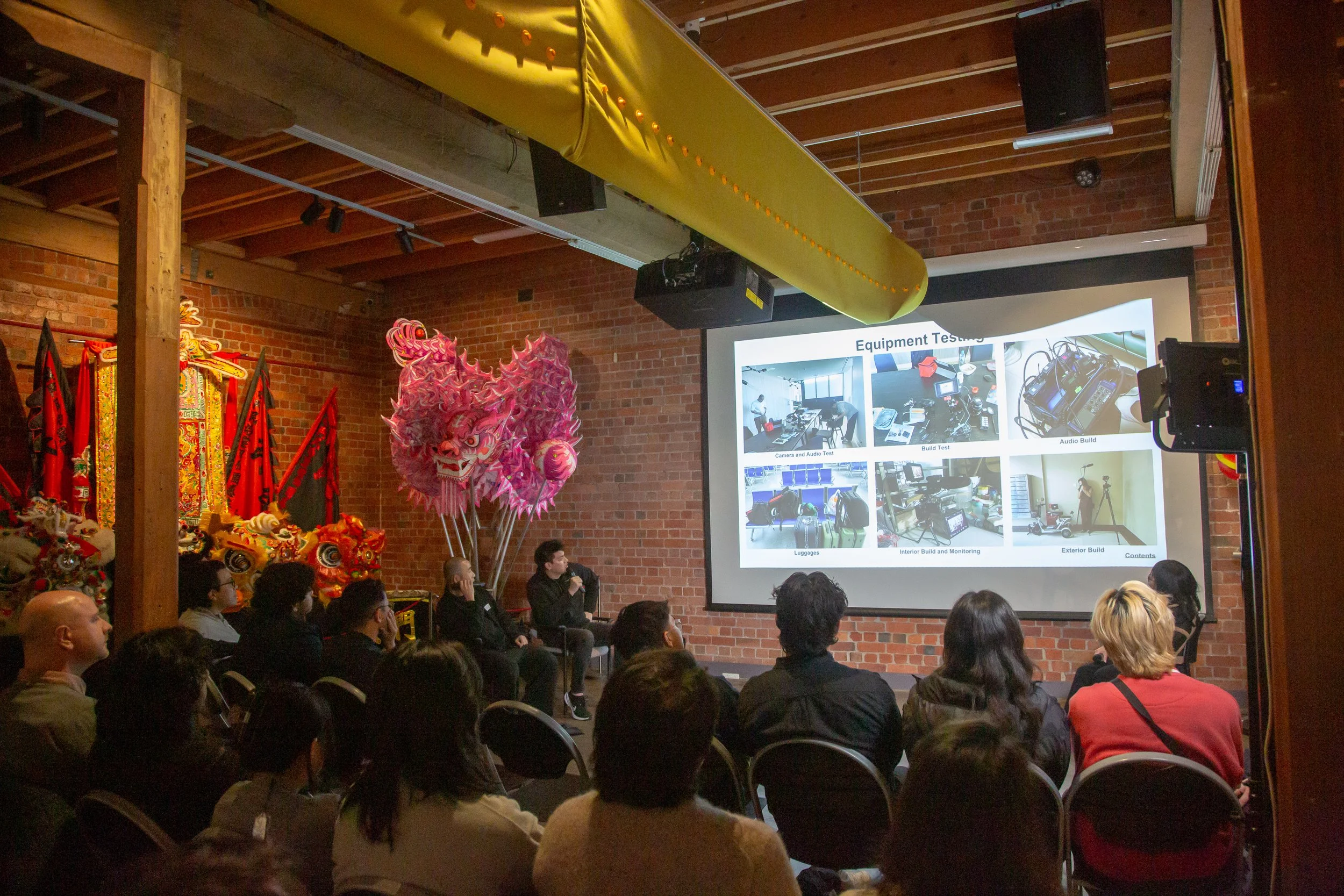
Through exclusive behind-the-scenes footage and candid advice, Vee and Nicholson mapped out the lifecycle of their micro-budget project—from its earliest baby steps to the international stage.
Here is what it really takes to get a film like this over the line.
Finding the Film: From Sci-Fi to Raw Reality
Believe it or not, Time and Tide originally started as a neo-sci-fi concept. But through rigorous pre-production conversations—where the team debated almost every single moment—they pivoted. They chose to lean heavily into the documentary format.
Vee’s approach to directing his own family was highly experimental. The goal wasn’t to force a clean, traditional narrative structure, but to create an intimate, non-judgmental character study. By placing subjects in believable, sometimes slightly staged scenarios, they were able to capture their most authentic selves.
Production: The Realities of a Three-Person Crew
Shooting on location in China required wearing a lot of hats and flying under the radar.
Relying entirely on natural light and dealing with strict equipment limitations, the crew was constantly battling the very real threat of having their gear confiscated before they could safely get the footage back to Australia.
To capture the hybrid nature of the film, Nicholson’s camera placement was incredibly deliberate, allowing Vee the space to actively direct his family while maintaining an observational, fly-on-the-wall aesthetic.
The Post-Production Marathon
The translation process alone was a massive hurdle. To keep momentum, Vee was editing for up to three hours on set. Back home, while working a full-time job, it took six gruelling months of editing just to reach a rough cut.
Because they were operating on a shoestring budget, the team had to be strategic about what they kept in-house (editing, colour grading) and what they paid for. Ultimately, sound design and music were the most expensive line items and the few things they chose to outsource, proving how critical audio is to an independent feature.
Distribution: Positioning is Everything
When it came time for the festival circuit, the team admitted they initially felt lost and had zero expectations.
They shared a crucial piece of advice for dealing with sales agents: have everything completely prepared before your first world premiere preview. Positioning your film in the market is just as important as making it. Ultimately, the team decided to take the reins themselves, opting for self-distribution to maintain control over their work.
A massive thank you to Vee Shi, Nicholson Ren, our audience, and our sponsors—Museum of Chinese Australian History, and Black Sheep Films—for making this invaluable session possible.